 Classic
Ryokan night
Bath, dinner and futon
- Check-in
- 15:00 or 16:00
- Pay
- Usually per person
- Meals
- Booked with the room
Guides
Language
EnglishCurrency
US dollar · $Prices on GetYourGuide appear in your chosen currency.
Guide · Hot springs
Hakone onsen culture is older than its railways and its museums. Here is how the baths work, what a ryokan night includes, and how to bathe in private if you prefer.
Editorial team, hakone-tour.comUpdated October 22, 2026about 6 min to read33 sources
Quick answer
Hakone onsen bathing goes back further than almost anything else in the valley. People have soaked in these springs since at least the eighth century, and their healing reputation spread widely in the Edo period.2 Today Hakone officially counts 17 hot springs, named by the place they rise rather than by any real difference in the water.1
The list grew over time. A guide to Hakone from 1811 is the oldest known record of seven springs, at Yumoto, Tonosawa, Dogashima, Miyanoshita, Sokokura, Kiga and Ashinoyu.6 New finds in the Meiji era stretched it to nine and then 12, adding Gora and Kowakudani, and later wells raised the count again to today's 17.71
For a visitor this means variety more than chemistry. You can bathe in a riverside inn at the bottom of the valley, in a hotel with mountain views near Gora, or in a lakeside house at the top. The water feels different from place to place, but the reason to choose one over another is usually the setting, the building and the evening that comes with it.
A ryokan evening
A Hakone ryokan is a traditional inn built around a long bath and a long dinner. The Japan Tourism Agency explains that it is common to pay per person at a ryokan, because each guest receives the inn's hospitality, meals included.14 Meals are generally reserved at the same time as the room.11
Check-in usually starts at 15:00 or 16:00, and dinner is served in a set time window, so arriving late can mean missing it.8 If you have food restrictions, tell the inn in advance, ideally at least a few days before.15 Traditionally you sleep on a futon laid on the tatami, though more ryokan now offer beds.12
A couple of practical points catch first-timers out. Most ryokan have a curfew, so check it before a late evening out.13 And some offer a pick-up from the station, which almost always has to be arranged in advance.16 Ask about both when you book, and the stay will run as smoothly as the bath. It also helps to know that the yukata robe laid out in your room is meant to be worn: around the inn, to the bath and often to dinner, so you can leave your day clothes folded until morning.
Your bathing options
| Option | What it is | Booking | Tattoos |
|---|---|---|---|
| Communal bath at a ryokan | Shared with other guests | Usually none needed | Inn by inn |
| Bath in your room | Yours alone, any time | Book that room | No issue |
| Reserved private bath | Yours for a set period | Book with the staff | No issue |
| Day bathhouse | Public baths, no room | Rules of each bath | Check the bath's page |
From the Japan Tourism Agency's ryokan guide and Japan National Tourism Organization advice.1734518
Decision helper
Match the bath to your worries
Guests with tattoos can use these private baths with no issue.
Not everyone wants to bathe naked with strangers, and Hakone has plenty of alternatives. Odakyu notes that the area offers inns with hot springs, day-use facilities and private hot springs for those who want a more personal experience.21 Private charter baths are called kashikiriburo.22
The Japan Tourism Agency describes the private onsen at ryokan as either a bath in your own room that you can use whenever you like, or a bath you reserve for a set period, which must be booked with the staff.3 A room with its own bath costs more, but it turns the soak into something you can do at midnight and at dawn without leaving your room.
If a private onsen in Hakone is your priority, ask the inn exactly which kind it has before you book. A reserved bath can fill up on busy nights, and an outdoor bath on a balcony is a different experience from a tiled tub indoors. Photos rarely show the difference clearly, so a short question saves a disappointment.
Checklist
Video
Nothing loads until you tap play.
Tattoos are the question most visitors ask. The Japan National Tourism Organization says they are generally not permitted in hot springs, public bathhouses, pools or gyms, with exceptions that depend on the place.18 Its advice is simple: check in advance, or cover a tattoo with a waterproof bandage if the bath allows that.23
At ryokan the picture is more varied. The Japan Tourism Agency explains that policies differ widely from inn to inn; some have no restrictions at all and some decide case by case.4 Many ryokan also offer private baths in rooms or for reserved use, which guests with tattoos can use with no issue.5
Day bathhouses set their own rules. Tenzan, a bathhouse near Yumoto, generally does not accept tattoos but will admit a single tattooed visitor who keeps them covered with a jacket in the building; two or more together are not allowed in.24 That kind of detail is only ever on the bath's own page, so read it before you go.
Onsen etiquette is less complicated than it sounds, and every rule has a reason. Wash your whole body in the shower area before you get in, with soap.925 The bath is for soaking, not washing, and everyone shares the same water.
Keep your small towel out of the water; put it on your head or by the side.10 Tie up long hair.26 Swimsuits and other clothing are not worn in the bath, and photos in the bathing area are off limits.2728 At the communal bath of a ryokan you typically do not need a reservation.17
The rest is common sense: speak quietly, do not swim or splash, and get out slowly if the water is very hot. Drink water before and after a long soak, and leave the bath for a while between dips. Nobody expects you to be perfect, only considerate. If you are unsure about anything, watch what the other bathers do for a minute, or ask at the front desk before you go in; staff at inns used to foreign guests are glad to explain.
If you only have a day, a day-use bathhouse gives you the soak without the room. Tenzan, a public bathhouse in the hills above Hakone-Yumoto, is a good example of how such places work. It has no private bath, takes no reservations and does not allow swimsuits.19
Its rules are strict and worth knowing. Groups are limited to 6 adults, and it does not accept sightseeing tours or visits accompanied by agents.2029 Payment is basically cash only, with no ATM nearby, and you are asked to bring a small towel of about 34 by 85 cm.3031
Other day baths in Hakone run on different lines, from bathing-suit theme parks to inns that open their baths to day visitors, and each publishes its own rules on tattoos, hours and towels. Check the bath's own page on the morning you go: rules change, and baths close now and then for maintenance.
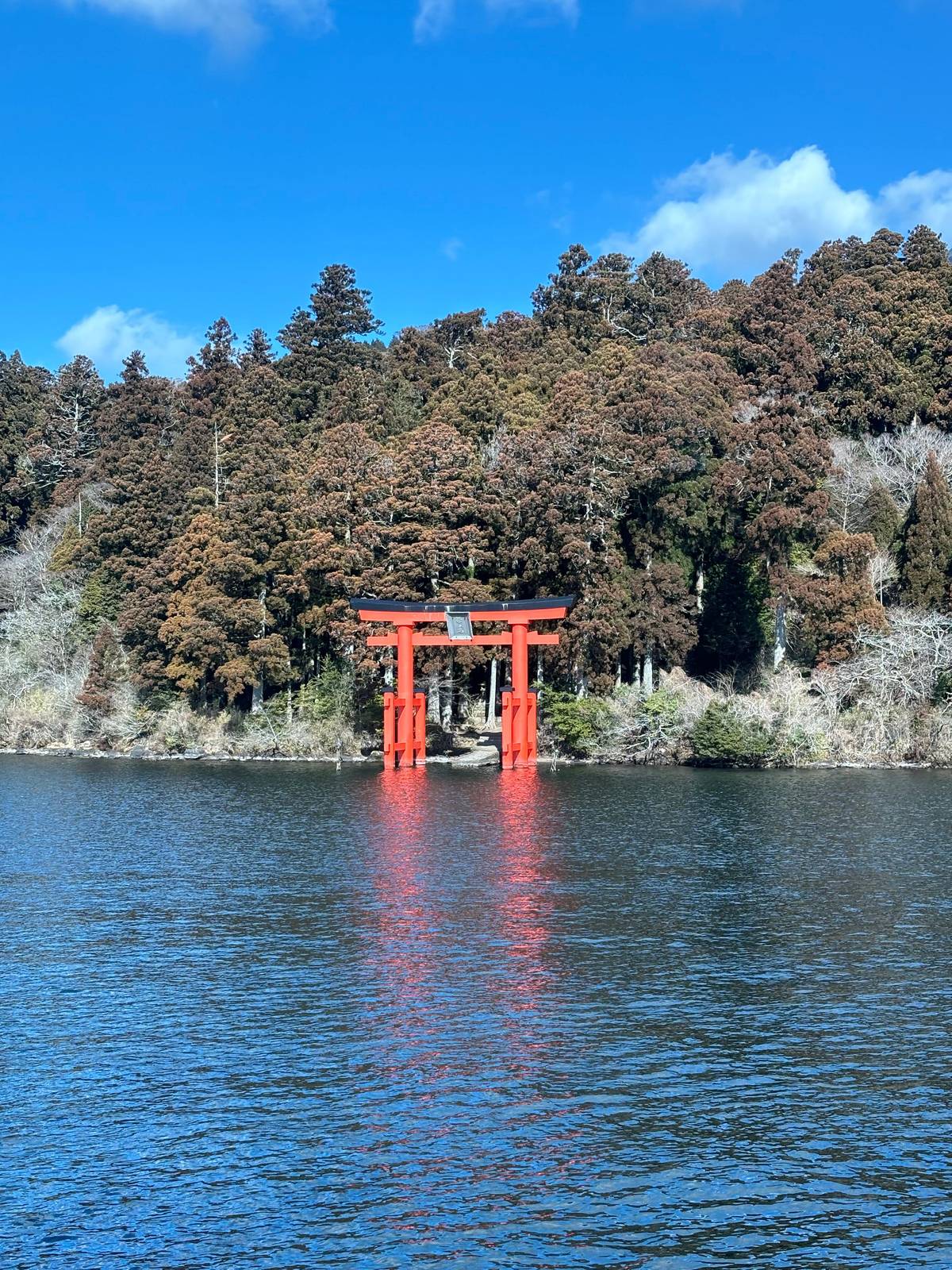
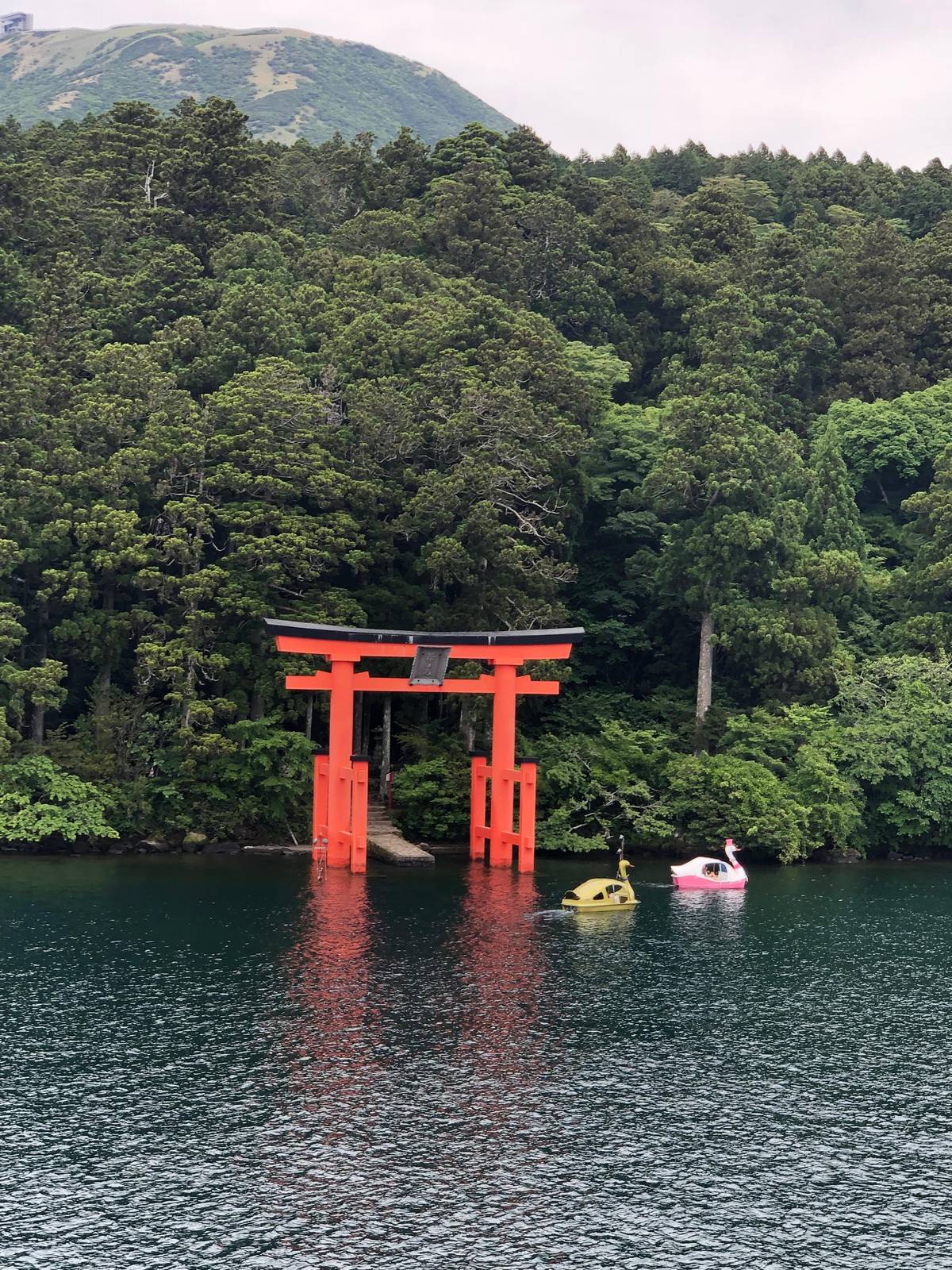
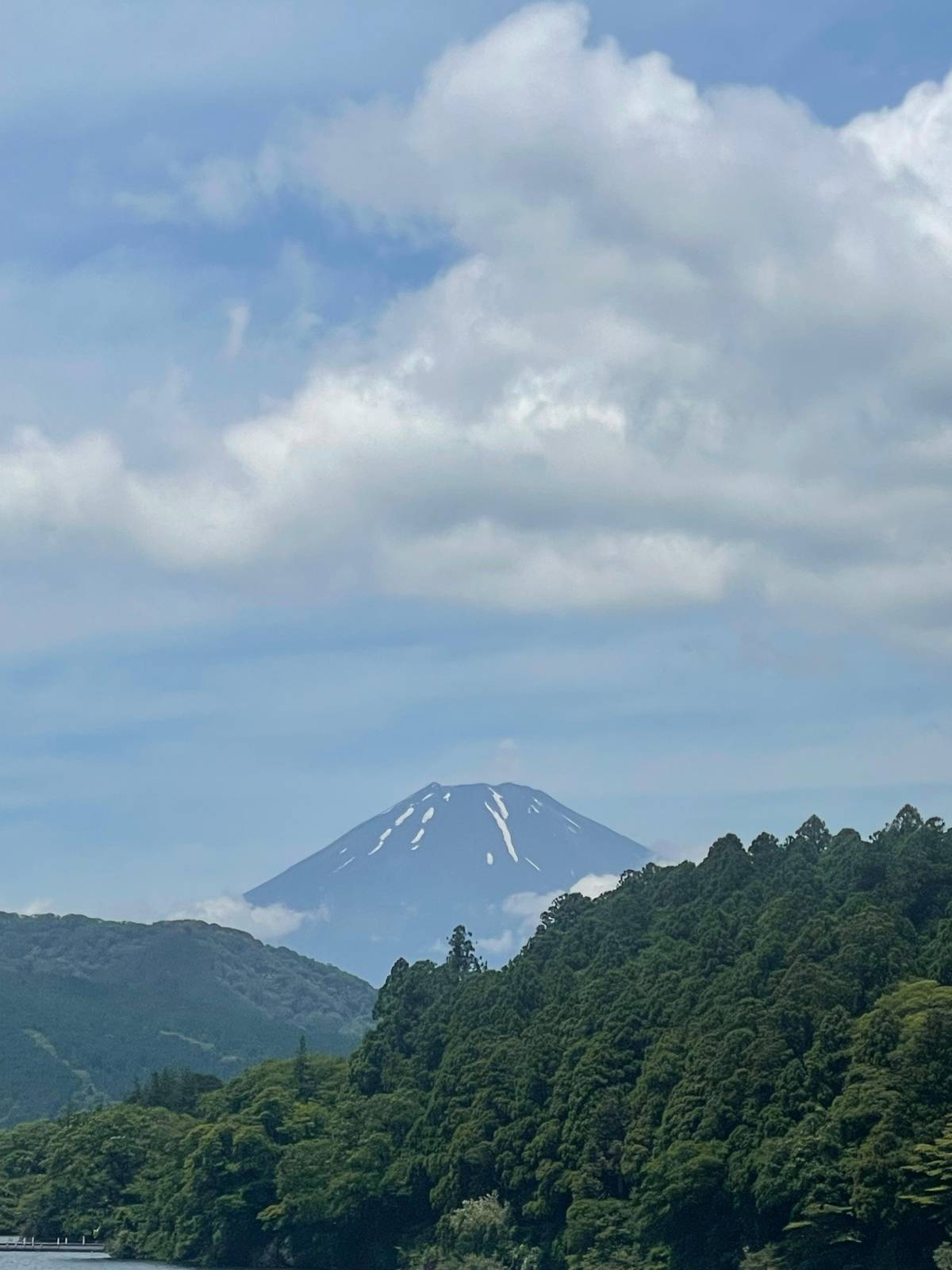
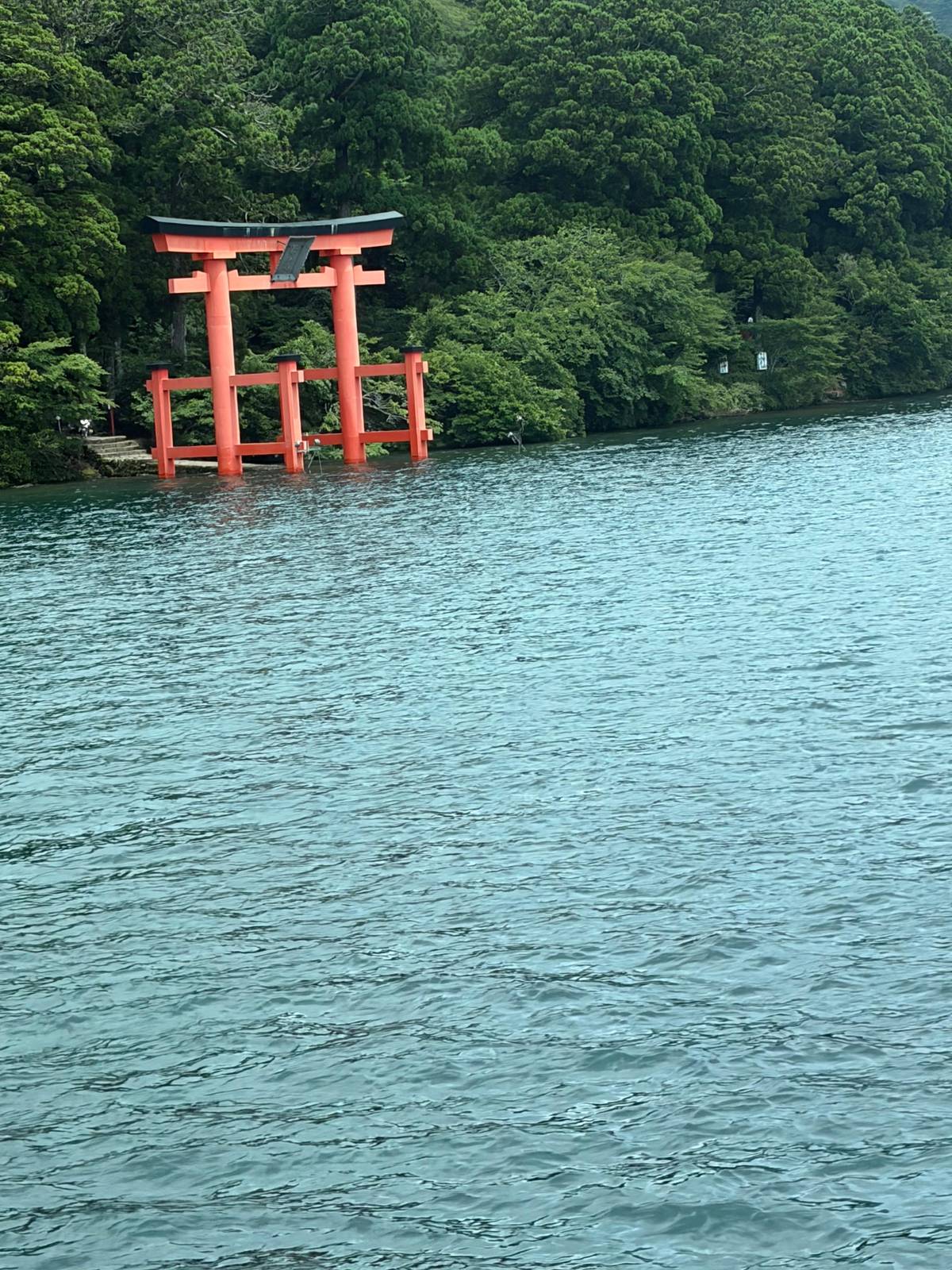
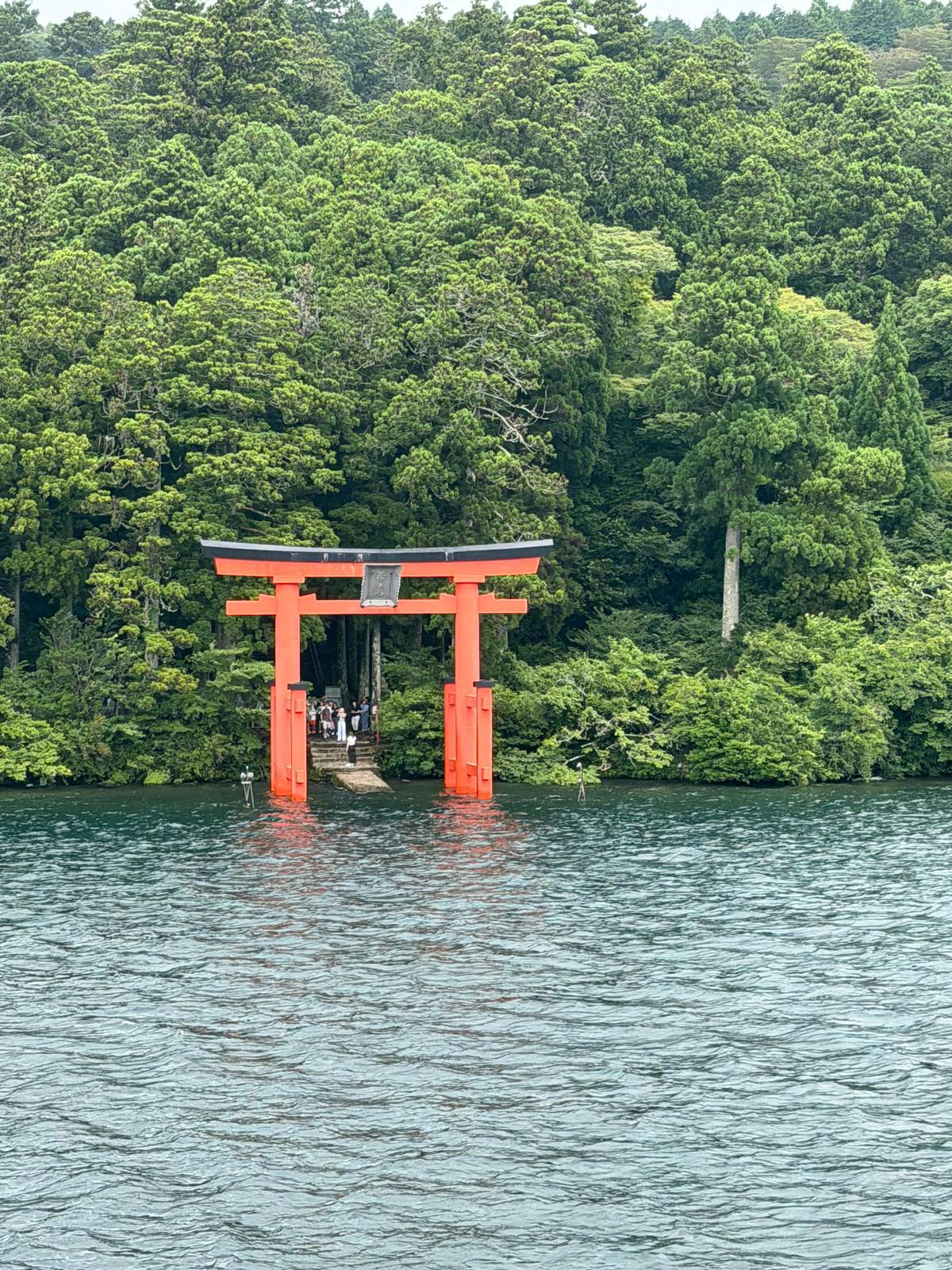
The coach tour this site sells is a sightseeing day, not a bathing day. Its listed stops are Hakone Shrine, the torii over the water, the Togendai pier, the ropeway, Owakudani, Lake Yamanaka and Oshino Hakkai, with no bath on the route. It is the efficient way to see the famous loop; it is not the way to try an onsen.
The easy fix is to stay. Hakone-Yumoto is about 80 minutes from Shinjuku by limited express, so a night in a ryokan after a sightseeing day is simple to arrange.32 A luggage counter in Hakone-Yumoto Station even delivers bags to your accommodation, which frees your hands for the afternoon.33
If you are going straight back to Tokyo, plan the bath for another day: take the train to Yumoto, walk to a day bath, and spend the afternoon in the water and the evening at dinner. It is the most restful day you can have in Hakone.
Your Hakone day
Pick a date, meet in Tokyo, and cancel free up to 24 hours before.
Officially 17. They are now named by place rather than by mineral content, as the Hakone Tourist Association explains.1
It depends on the bath. Tattoos are generally not permitted in hot springs, but rules vary; private baths are the safe option.185
A private charter bath. It is a bath you rent for yourselves, the easy answer for couples, families and anyone shy of communal bathing.22
Usually not. At ryokan you typically do not need a reservation for the communal bath, though reserved private baths do need one.173
Usually 15:00 or 16:00. Dinner is served in a set window, so tell the inn if you will arrive late.8
No. Swimsuits and other clothing are not worn in the bath, and towels stay out of the water.2710
No. Its listed stops are the shrine, the pier, the ropeway, Owakudani and the Fuji lakes.
Sources